 by Daniel Dice
 Everything International Buyers Need to Know About Ownership, Investment, Due Diligence, Areas, Yields, Developers and the Phuket Property Market
Thinking about buying property in Phuket?
Whether you are looking for a permanent home in Thailand, a holiday residence, a luxury villa, a condominium investment or a property capable of generating rental income, Phuket offers one of Asia’s most compelling combinations of lifestyle, international accessibility and real estate opportunity.
But buying property in Thailand is not the same as buying property in many Western markets.
Foreign ownership regulations, land title structures, condominium foreign quotas, leasehold arrangements, taxes, transfer costs, rental regulations, developer due diligence and the legal structure of your purchase all deserve careful consideration before you commit your capital.
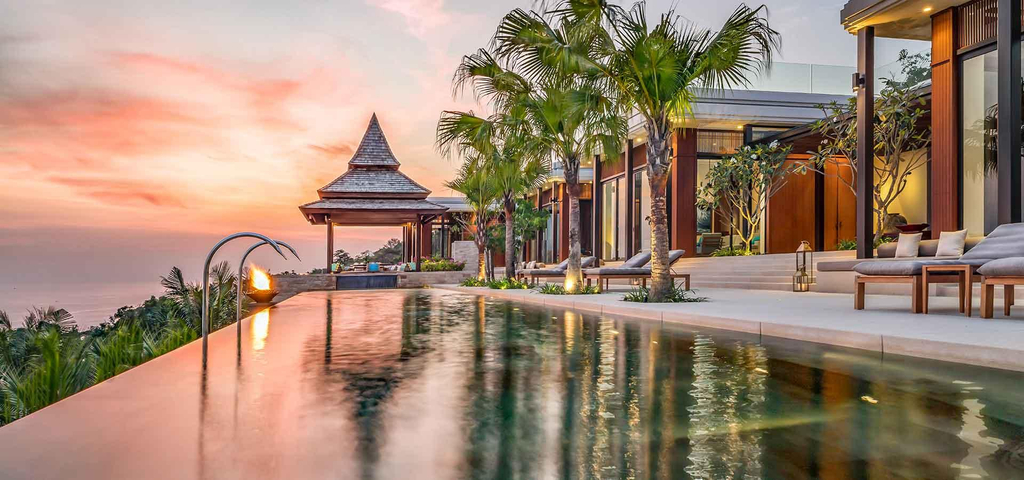

This Ultimate Guide to Buying Property in Phuket – 2026 Edition brings those considerations together in one place.
At ParaDICE Properties, our philosophy is simple:
Don’t simply buy the property. Understand exactly what you are buying, how you will own it, what it will cost, how it can be used, and how your investment can be protected.
1. Why Buy Property in Phuket?
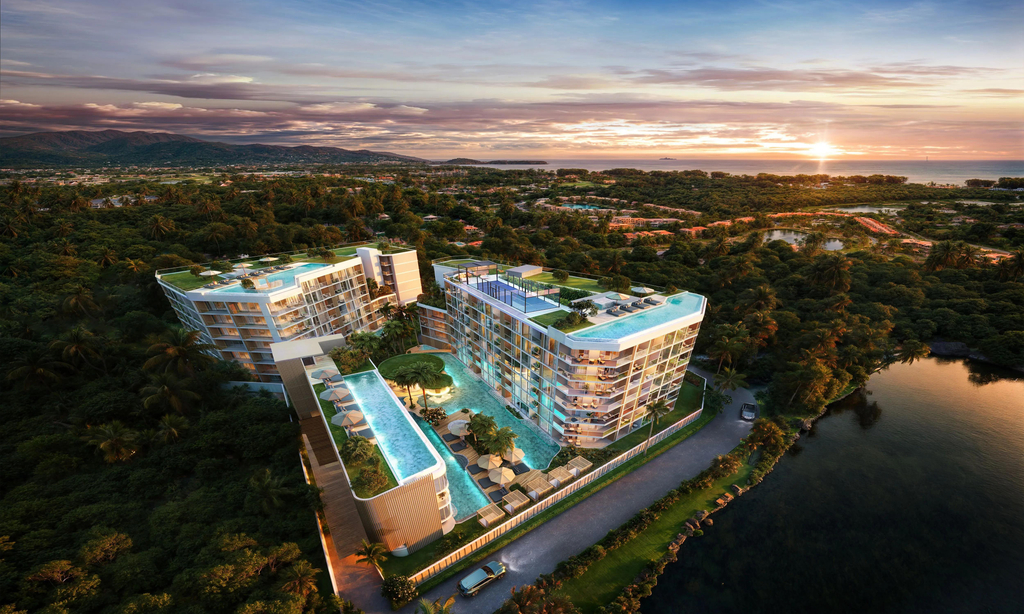
Phuket has evolved considerably beyond its traditional role as a holiday destination.
The island is now a genuinely international residential market, attracting purchasers from Europe, the United Kingdom, Russia, China, India, the Middle East, Australia, North America and across Asia.
Recent research from CBRE describes Phuket as increasingly becoming a place where international residents choose to live for longer periods or establish a primary residence, rather than simply visiting for holidays.
This evolution is important for investors because it creates several overlapping markets:
Lifestyle buyers seeking a permanent or seasonal residence.
Holiday-home buyers wanting personal use combined with rental potential.
Property investors targeting rental income and capital appreciation.
High-net-worth buyers seeking luxury villas and branded residences.
International families looking for a long-term base in Thailand.
Retirees and semi-retirees seeking a tropical lifestyle.
Corporate and hospitality investors seeking professionally managed property assets.
Phuket therefore offers considerably more than a conventional buy-to-let proposition.
2. The Phuket Property Market in 2026
The market entering 2026 is strong—but it is also becoming more selective.
According to Colliers’ 2025–2026 Phuket Residential Report, Phuket’s residential market has entered a renewed expansion phase, supported by tourism, returning international buyers and improving developer confidence. At the same time, Colliers highlights increasing competition in the condominium sector and a more disciplined approach to future villa development.
CBRE’s latest H1 2026 figures show that condominium launches increased significantly compared with H2 2025, while larger listed developers continued to lead new supply. During H1 2026, 16 villa projects comprising 224 units were launched, with 35.3% concentrated in Phuket’s West Coast Central area.
CBRE also reports that Bang Tao and Cherng Talay remain among Phuket’s most sought-after condominium locations, with international buyers accounting for 67% of purchasers in its H1 2026 transaction data.
This tells prospective buyers something important:
Phuket remains attractive—but selecting the right property is increasingly important.
The strongest opportunities are unlikely to be simply “any property in Phuket.”
Location, developer reputation, construction quality, ownership structure, project positioning, management, rental strategy, purchase price and resale liquidity all matter.
3. Can Foreigners Buy Property in Thailand?
Yes.
However, the answer depends upon what you are buying and how you intend to own it.
Thailand generally restricts direct foreign ownership of land. The Thai Government’s published guidance confirms that foreigners are generally unable to own land except under specific statutory circumstances and subject to strict conditions.
This does not mean foreigners cannot buy property in Thailand.
It means the distinction between:
land ownership
and
ownership of a building or condominium unit
is extremely important.
This is one of the first matters that should be established before purchasing a Phuket property.
4. Condominium Freehold Ownership
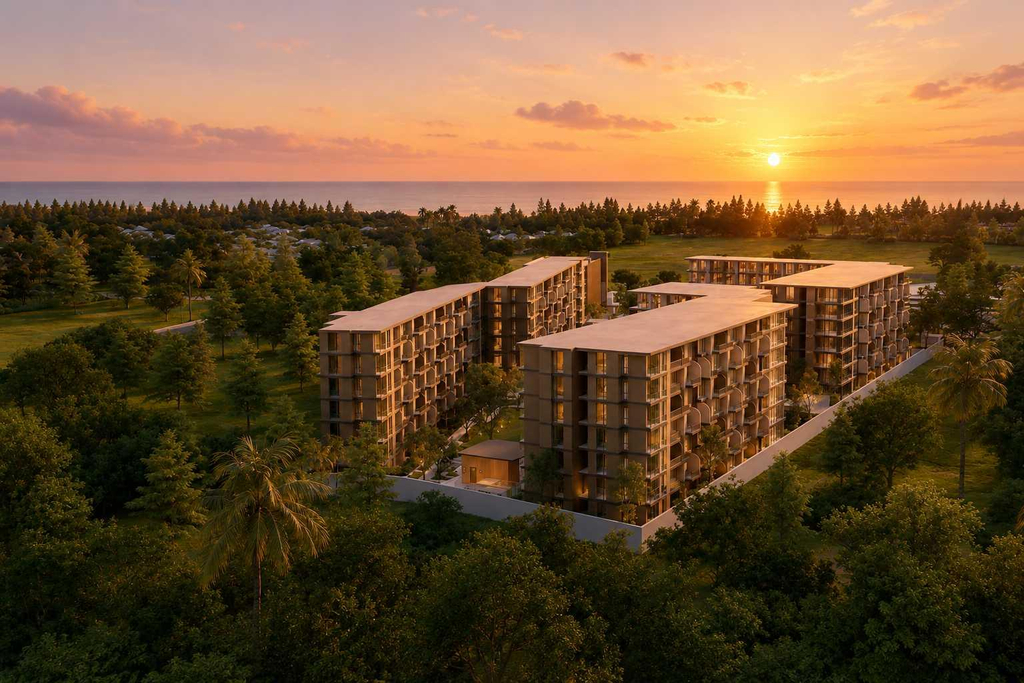
For many international buyers, a condominium can provide the simplest form of direct freehold property ownership available under Thai law.
Foreigners may own condominium units in qualifying developments, subject to the statutory foreign ownership quota.
The foreign ownership limit is generally 49% of the total saleable condominium area of the building. The Thai Government confirms that foreign purchasers must obtain confirmation of the foreign ownership proportion from the condominium’s juristic person before registering the transfer.
A properly structured foreign freehold condominium purchase can therefore provide:
- Registered ownership of the condominium unit
- A condominium title deed
- The ability to sell the unit
- The ability to transfer the asset
- Potential rental income
- Potential capital appreciation
For buyers wanting straightforward ownership without acquiring land, a freehold condominium can therefore be an attractive solution.
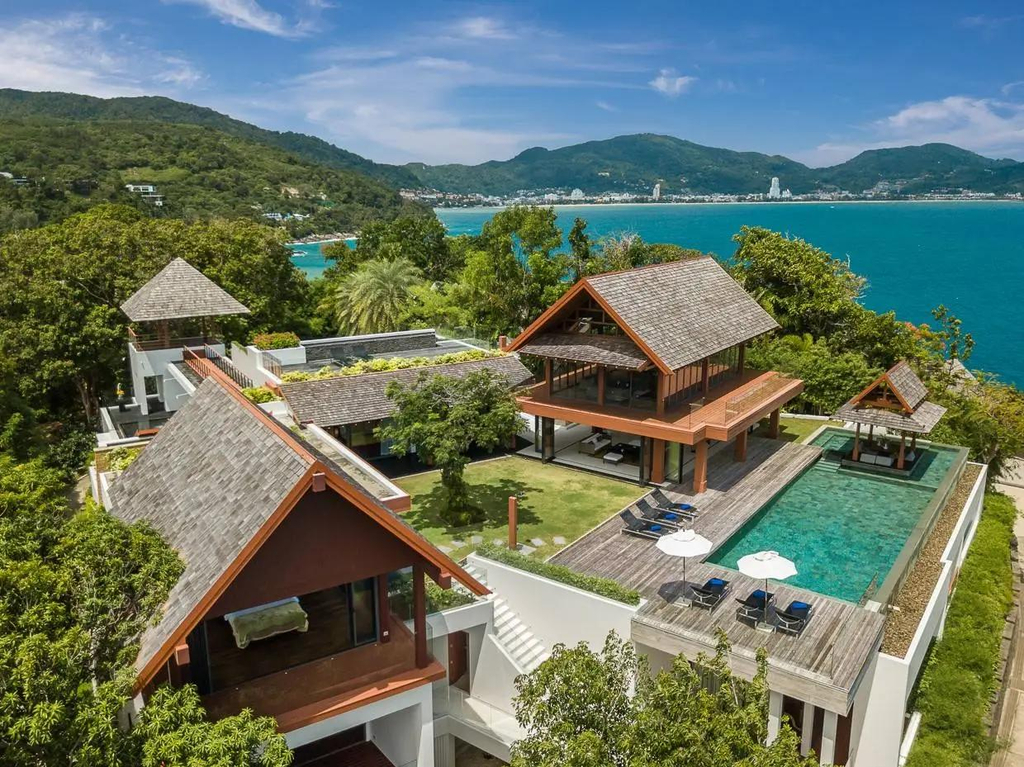
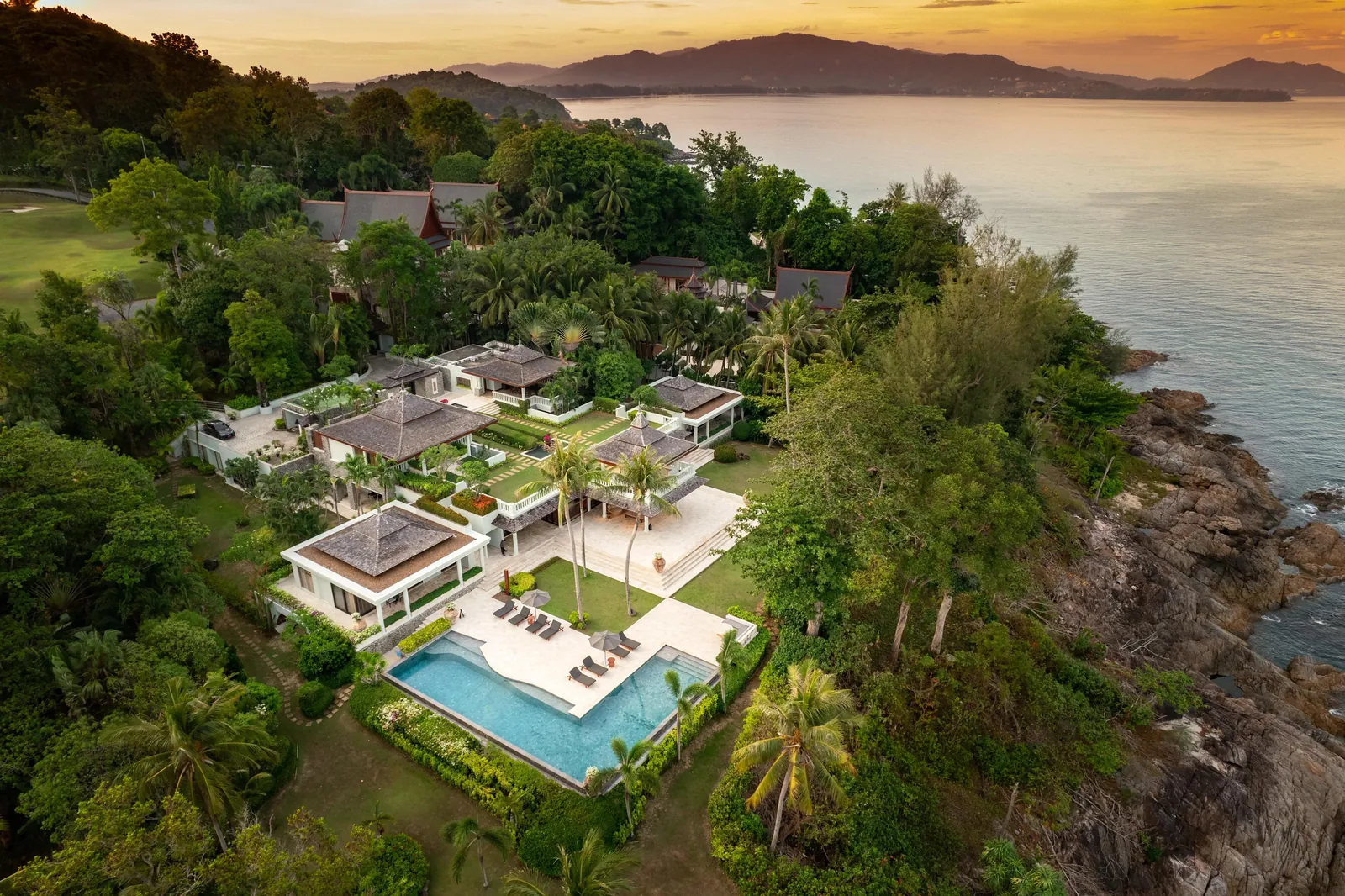
5. Buying a Villa as a Foreigner
This is where matters become more complicated.
A typical Phuket villa comprises:
Land + Building
Thai law generally prevents foreigners from directly owning the land.
However, a foreign purchaser may be able to acquire ownership of the building separately from the land and obtain contractual rights to occupy and use the underlying land.
One of the most common legitimate structures is therefore:
Foreign ownership of the building + registered leasehold interest in the land.
The precise legal structure should always be determined by an independent Thai property lawyer before signing a binding agreement.
6. Leasehold Ownership
A long-term lease can provide a legitimate route for foreigners to enjoy and control a villa or other landed property without directly owning the underlying land.
The commonly encountered statutory lease term is 30 years.
Additional contractual renewal arrangements are frequently marketed as “30+30+30.”
However, buyers should understand an important distinction:
A renewal option is not automatically equivalent to three guaranteed 30-year ownership periods.
The enforceability of renewal provisions depends upon the wording of the agreement, registration requirements, the identity of the parties, applicable law and the circumstances at the time of renewal.
The Thai Government’s published guidance describes long-term leases of up to 30 years with potential renewals, subject to the lessor’s consent.
This is precisely why independent legal review is so important.
7. What About Thai Companies and Nominee Structures?
This is one area where prospective investors should be especially careful.
Historically, some foreign buyers have been advised to establish Thai companies containing Thai shareholders in order to acquire land.
A legitimate Thai company conducting a genuine Thai business is one matter.
A company established merely to disguise foreign ownership of land through nominee shareholders is entirely different.
Thailand has been actively investigating suspected nominee arrangements.
In June 2026, the Thai Government announced that tackling foreign-nominee networks was part of a national agenda, while the Department of Business Development continued investigations into foreign-linked businesses and shareholder structures.
The Government has previously reported investigations into suspected nominee shareholders in tourism, land sale, real estate ownership and service businesses, including a significant number of cases in Phuket.
Our recommendation is therefore straightforward:
Never establish a company simply because somebody tells you it is an easy way around Thailand’s land ownership restrictions.
If a corporate structure is proposed, obtain independent legal and accounting advice and ensure that the company has a genuine lawful purpose, properly funded shareholders and full compliance with Thai law.
You can read our dedicated analysis here:
Thailand’s Nominee Company Crackdown 2026
8. Villas vs Condominiums
One of the biggest decisions facing Phuket buyers is whether to purchase a villa or condominium.
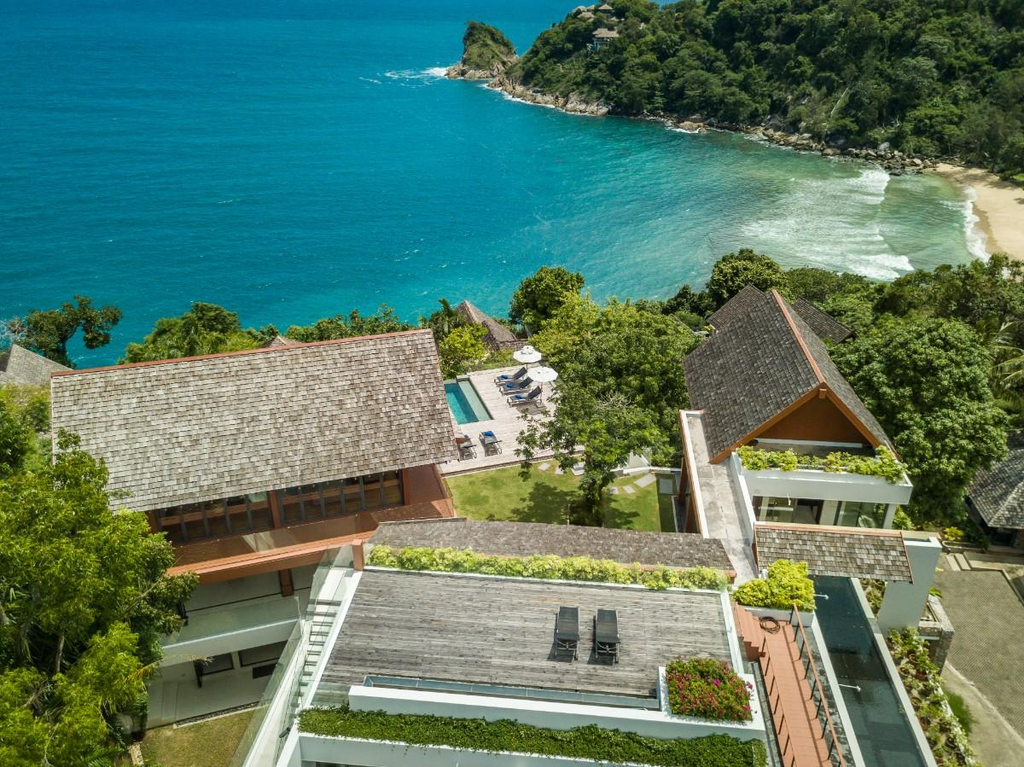
Villas
Villas generally provide:
- Greater privacy
- Larger living areas
- Private swimming pools
- Gardens and outdoor space
- Greater lifestyle appeal
- Strong appeal to families
- Potentially higher rental income in premium locations
However, they can also involve:
- More complex ownership structures
- Higher maintenance costs
- Larger capital requirements
- Greater management requirements
- Potentially smaller resale markets
Condominiums
Condos generally offer:
- Lower entry prices
- Easier maintenance
- Shared facilities
- Professional management
- Potential foreign freehold ownership
- Potentially stronger liquidity
- Attractive rental opportunities
The best choice depends upon your objective.
If your priority is lifestyle and privacy, a villa may be preferable.
If your priority is ease of ownership, rental liquidity and foreign freehold, a condominium may be more suitable.
For a detailed comparison, read:
Phuket Villas vs Condominiums: Which Investment Performs Better?
9. The Best Areas to Buy Property in Phuket
Phuket is not one single property market.
Different areas appeal to different buyers.
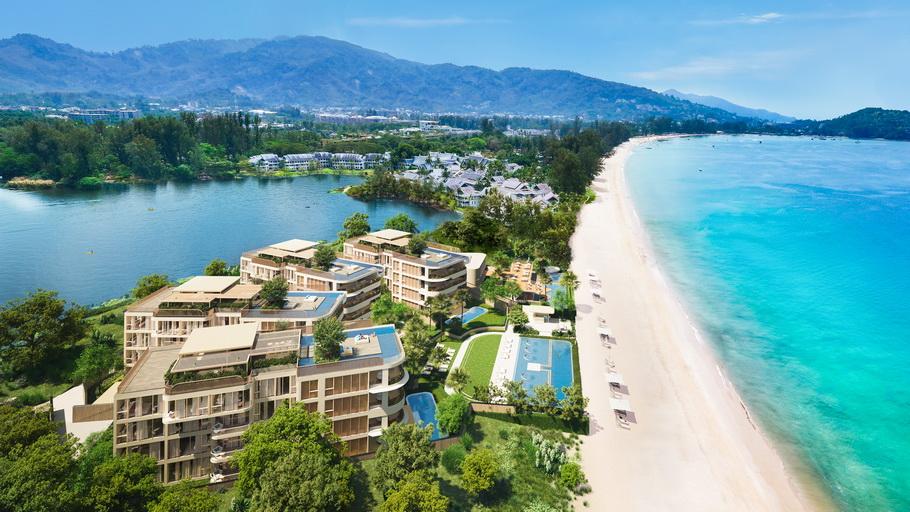
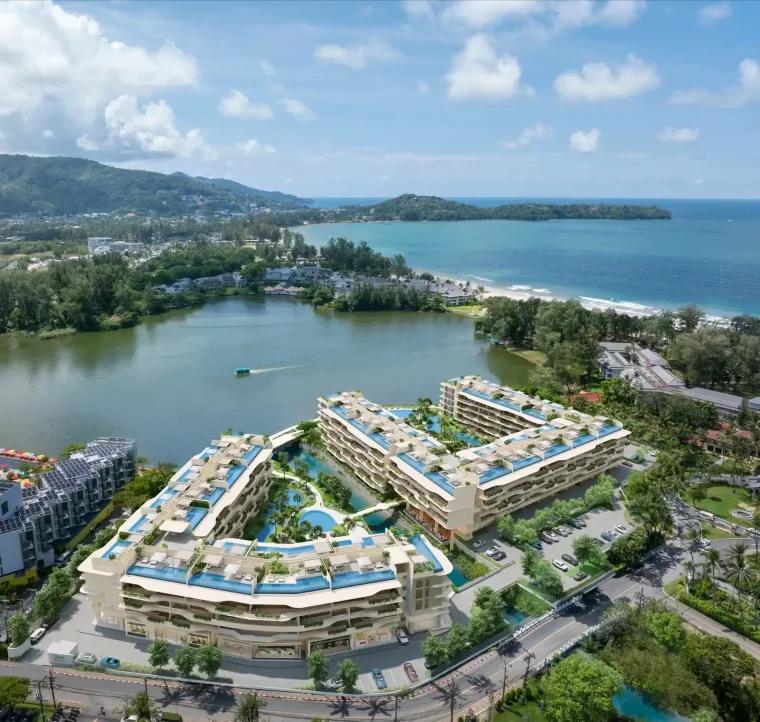
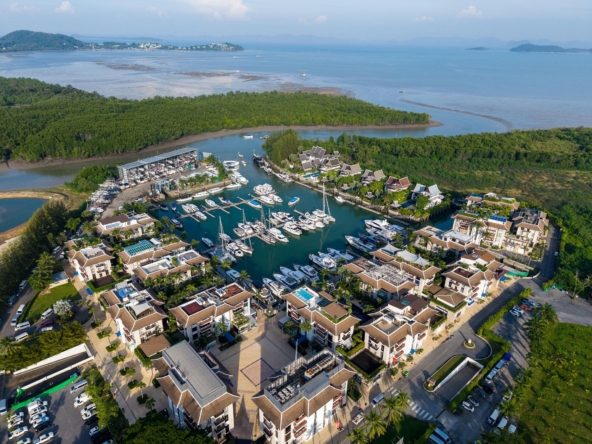
Bang Tao & Cherng Talay
For many international buyers, this is currently one of Phuket’s most compelling investment locations.
The area combines:
- Bang Tao Beach
- Laguna Phuket
- Boat Avenue
- Porto de Phuket
- International restaurants
- Five-star hotels
- Golf
- International schools
- Wellness facilities
- New luxury developments
CBRE’s H1 2026 transaction data identified Bang Tao and Cherng Talay as key strategic investment locations, with strong international buyer participation.
Ideal for: investors, families, luxury buyers, rental properties and international residents.
Layan
Layan offers a quieter and more exclusive northern alternative to Bang Tao.
It is particularly attractive to buyers seeking:
- Privacy
- Luxury villas
- Resort living
- Beach proximity
- Larger land plots
- High-end developments
Layan is particularly strong in the ultra-luxury segment.
Nai Harn & Rawai
The south of Phuket offers a different investment proposition.
Rawai and Nai Harn provide:
- Established expatriate communities
- Restaurants and lifestyle amenities
- Attractive beaches
- Strong villa and condominium markets
- More accessible price points
- Long-term residential demand
Ideal for: lifestyle buyers, retirees, long-term residents and investors seeking comparatively accessible entry prices.
Kamala
Kamala occupies a particularly strong position between Patong and Phuket’s northern luxury corridor.
It offers:
- Beach lifestyle
- Luxury resorts
- High-end villas
- Sea-view properties
- Proximity to Patong
- Strong appeal to affluent international buyers
Kamala is particularly attractive for premium villas and luxury residences.
Surin
Surin has long been associated with luxury property.
Its appeal includes:
- Prestigious west-coast location
- High-end residences
- Beach proximity
- Limited development opportunities
- Strong luxury positioning
Ideal for: premium lifestyle buyers and investors seeking scarcity.
Other Areas
Other areas worth considering include:
- Kata
- Karon
- Patong
- Mai Khao
- Nai Yang
- Cape Yamu
- Phuket Town
- Kathu
- Chalong
The right location depends upon your investment objective rather than simply the popularity of the area.
10. Phuket Property Prices
There is no single “Phuket property price.”
Prices vary dramatically according to:
- Location
- Beach proximity
- Land size
- Built-up area
- Developer
- Brand
- Construction quality
- Views
- Amenities
- Ownership structure
- Rental potential
- Development stage
The market ranges from relatively accessible condominiums to ultra-luxury villas costing hundreds of millions of baht.
This makes Phuket attractive to a broad spectrum of investors.
However, price per square metre alone should never determine whether a property represents good value.
11. Phuket Rental Yields
Rental income is one of the principal attractions for investors.
CBRE reported gross condominium rental yields in Thailand’s Phuket market in the region of 6%–11%, although actual returns vary considerably by property, location, purchase price, management structure, occupancy and operating costs.
A headline rental yield should therefore never be accepted without examining the underlying assumptions.
Ask:
Is the figure gross or net?
What occupancy rate is assumed?
Who manages the property?
What management fee applies?
What are the maintenance costs?
Are utilities included?
Are rental guarantees conditional?
How long does the rental programme run?
What happens after the guaranteed period?
A property producing a realistic 6% net return may be considerably more attractive than one advertised at 10% gross with substantial deductions.
12. Understanding Property ROI
Property investment returns can come from several sources:
Rental income
Regular income generated by tenants or holiday guests.
Capital appreciation
An increase in the property’s market value.
Personal use
The economic value of having your own holiday or residential property.
Resale
The ability to sell the property at a profit.
Currency diversification
International property can provide diversification from an investor’s domestic currency and property market.
The strongest investments often combine several of these characteristics.
For a detailed analysis of investment returns, see:
Phuket Property Investment ROI Guide
13. Taxes and Purchase Costs
Property buyers should budget for more than the advertised purchase price.
Potential transaction costs can include:
- Transfer fees
- Specific Business Tax
- Stamp duty
- Withholding tax
- Legal fees
- Due diligence costs
- Registration fees
- Management fees
- Common area fees
- Sinking fund contributions
- Property management fees
- Rental management commissions
Thailand’s government guidance confirms that a standard transfer fee for property transactions is generally calculated at 2% of the relevant appraised value, while other taxes and duties may apply depending upon the transaction.
The exact allocation of these costs between buyer and seller varies according to the transaction and contractual arrangements.
Always obtain a written statement of estimated acquisition costs before signing.
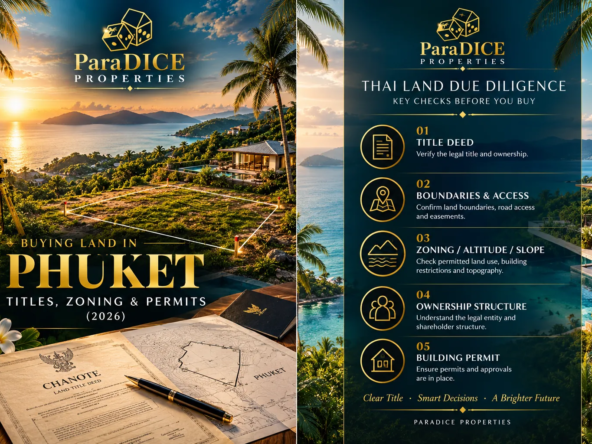
14. Due Diligence – The Most Important Part of Buying Property
A beautiful property can still be a poor investment.
Before purchasing, professional due diligence should examine the property, developer, title, contracts and financial assumptions.
At ParaDICE Properties, we believe due diligence should form part of the buying process—not an afterthought.
Important checks can include:
Developer
- Corporate history
- Completed projects
- Delivery record
- Financial position
- Litigation
- Construction experience
- Reputation
Property
- Title documentation
- Land boundaries
- Building permissions
- Construction permits
- EIA requirements where applicable
- Access rights
- Encumbrances
- Existing mortgages or charges
Contract
- Purchase price
- Payment schedule
- Completion date
- Default provisions
- Transfer provisions
- Ownership structure
- Rental obligations
- Maintenance responsibilities
Investment
- Rental assumptions
- Occupancy projections
- Management fees
- Operating expenses
- Resale prospects
- Comparable properties
This is why we strongly recommend that buyers appoint an independent Thai property lawyer before committing to a significant purchase.
15. Financing a Phuket Property
Foreign purchasers should establish their financing strategy before selecting a property.
Possible funding sources include:
- Cash
- Overseas mortgage
- Thai bank financing where available
- Developer payment plans
- Structured construction-stage payments
- Private financing
- Existing property refinancing
Financing availability depends upon nationality, residency, income, banking relationships, property type and lender criteria.
Off-plan developments can sometimes provide staged payment structures, allowing investors to spread capital expenditure during construction.
However, buyers should calculate their complete cash requirement—including taxes, fees, furnishing, maintenance and working capital—rather than considering only the deposit.
16. Buying Off-Plan
Off-plan property can provide attractive opportunities.
Potential advantages include:
- Early-bird pricing
- Choice of unit
- Construction-stage payment schedules
- Potential capital appreciation before completion
- Access to new facilities and modern designs
But there are also risks:
- Construction delays
- Developer financial problems
- Specification changes
- Market changes
- Financing costs
- Resale uncertainty
Developer selection is therefore critical.
A strong developer with an established delivery history may substantially reduce project risk compared with an inexperienced developer with limited capital and no completed projects.
17. Choosing the Right Developer
Phuket has a mixture of:
- International hotel brands
- Publicly listed Thai developers
- Established local developers
- Boutique villa specialists
- New emerging developers
Our developer research currently covers a broad selection of Phuket’s residential development companies.
Among the established and recognised names are developers and brands associated with projects such as:
- The Title Phuket
- Utopia Phuket
- Serenity Villas
- Trichada
- So Origin
- Anantara
- Sri Panwa
- Trivananda
- The Standard
- Sudara
- and many others.
We have created individual developer profiles so prospective buyers can examine development history, project positioning, locations and reasons for considering each developer.
For the complete overview:
Top 20 Property Developers in Phuket Ranked for Investors
18. Branded Residences
Branded residences have become an increasingly important part of Phuket’s luxury property market.
They combine residential ownership with the reputation and service standards of a recognised hospitality brand.
Examples can include:
- International hotel brands
- Resort operators
- Luxury hospitality companies
- Wellness brands
The appeal is straightforward:
Brand + Hospitality + Property
Professional management and recognised branding can potentially support rental demand and resale appeal.
However, buyers should still examine the actual numbers.
A prestigious brand does not automatically make every property a good investment.
19. Phuket vs Other Thai Resort Destinations
Thailand offers numerous attractive property markets.
These include:
- Phuket
- Hua Hin
- Koh Samui
- Pattaya
- Krabi
- Bangkok
- Chiang Mai
Phuket’s particular strengths include its international airport connectivity, global tourism profile, extensive luxury hospitality infrastructure, established international communities and broad range of residential products.
For a detailed comparison:
Thailand Resort Destinations Compared: Why Phuket Stands Out for Property Investors
20. Phuket vs Bali and Dubai
International investors increasingly compare Phuket with other global lifestyle markets.
Bali offers extraordinary cultural appeal and strong tourism demand.
Dubai provides:
- Tax advantages
- International connectivity
- Major infrastructure
- Large-scale development
- Global investment appeal
Phuket offers a different combination:
- Tropical island lifestyle
- Established luxury hospitality
- International tourism
- Strong residential demand
- Lower-density luxury villa opportunities
- Branded residences
- Beachfront and resort markets
- Established expatriate communities
There is no universally superior market.
The correct choice depends upon an investor’s objectives, capital, tax position, risk tolerance and desired lifestyle.
Our detailed comparison:
Why International Investors Are Choosing Phuket Over Bali and Dubai
21. The Importance of Location
The old property investment principle remains relevant:
Location matters.
But in Phuket, location should be considered at several levels.
Island level
Which part of Phuket?
District level
Which neighbourhood?
Street level
How close is the property to the beach, amenities and infrastructure?
Property level
What is the actual position within the development?
A property 500 metres from the beach may have a very different investment profile from one 2 kilometres away.
Similarly, a property marketed as “sea view” may have a completely different outlook from an uninterrupted panoramic ocean view.
Always inspect the actual property and its surroundings.
22. Lifestyle vs Investment
One of the most important questions is:
Why are you buying?
If the primary objective is lifestyle, personal enjoyment may be more important than maximising yield.
If the objective is investment, rental income, liquidity and resale should receive greater weighting.
If the property will be used personally for several months each year, rental calculations need to account for those periods of non-commercial use.
There is nothing wrong with combining investment and lifestyle.
In fact, that is one of Phuket’s greatest attractions.
23. Buying Through ParaDICE Properties
At Paradise Properties (ASIA) Co., Ltd., trading as “ParaDICE Properties,” we take a different approach to property sales.
We don’t believe that buying a property should begin with:
“How quickly can we get you to sign?”
It should begin with:
“Is this the right property for you?”
Our role is to help buyers understand:
- The development
- The developer
- The location
- The ownership structure
- The purchase costs
- The investment proposition
- The rental assumptions
- The potential risks
- The alternatives available
We encourage purchasers to obtain independent legal and professional advice where appropriate.
24. Our Strategic Buyer Rebate Programme
There is another important reason to consider purchasing through ParaDICE Properties.
For qualifying properties, we operate a Strategic Buyer Rebate Programme, through which eligible purchasers may receive a minimum 1%–3% cash rebate, subject to the applicable project, transaction and programme terms.
We are able to offer this because of our business model and comparatively low reliance on expensive conventional advertising.
Instead of spending heavily on traditional marketing channels, we have invested in:
- Organic SEO
- Long-form investment content
- Developer research
- Direct relationships
- International referral partnerships
- Digital resources
- Client education
Where the applicable project and transaction terms permit, part of that efficiency can be returned to the buyer.
The result is simple:
A buyer can receive professional assistance while potentially retaining more of their investment capital.
Read more about our approach:
Strategic Rebate Programme – ParaDICE Properties
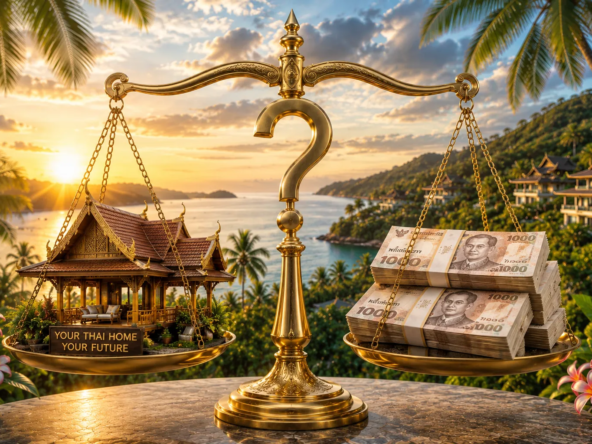
25. The Golden Rule: Don’t Gamble With Your Investment
Thailand is famous for its relaxed lifestyle, beautiful beaches and hospitality.
But purchasing property should never be a gamble.
A property purchase may represent one of the largest investments an individual or family makes.
Before committing, ask:
Who owns the land?
Who owns the building?
What exactly am I purchasing?
What title is involved?
Is the ownership structure legally appropriate for my nationality?
What happens when the lease expires?
Who is responsible for maintenance?
What are the actual rental costs and returns?
Who developed the property?
What happens if construction is delayed?
What happens if I want to sell?
Have I received independent legal advice?
These questions are not intended to discourage investment.
Quite the opposite.
They are intended to give investors the confidence to proceed when the answers are satisfactory.
For further reading:
Understanding Thailand’s Nominee Company Crackdown 2026
26. Frequently Asked Questions
Can foreigners buy property in Phuket?
Yes. Foreigners can legally purchase qualifying condominium units subject to the foreign ownership quota, while landed property requires a different legally compliant ownership or lease structure.
Can foreigners own land in Thailand?
Generally, no. There are limited statutory exceptions subject to strict conditions and government approval. Buyers should never assume that a standard foreign purchaser can simply register land in their own name.
Can foreigners own a condominium freehold?
Yes, subject to the applicable legal requirements and the building’s foreign ownership quota, generally capped at 49% of total condominium saleable area.
Is a 30+30+30 lease guaranteed?
No. Buyers should not automatically interpret “30+30+30” marketing language as equivalent to guaranteed 90-year ownership. Renewal arrangements require careful legal examination.
Should I use a Thai nominee company?
A nominee arrangement designed to circumvent foreign ownership restrictions can create significant legal risk. Buyers should obtain independent legal advice and avoid structures that exist merely to disguise beneficial ownership.
Is Phuket property a good investment?
Phuket has strong international demand and an increasingly sophisticated residential market, but no property investment is guaranteed. Returns depend upon location, purchase price, rental performance, costs, market conditions, developer quality and exit strategy.
What is the best area of Phuket to buy?
There is no single answer. Bang Tao and Cherng Talay are particularly strong for international buyers and investment, while Layan, Kamala, Surin, Rawai and Nai Harn can offer different combinations of lifestyle, luxury and investment opportunities.
Should I buy a villa or condominium?
It depends upon your objectives. Condominiums can offer simpler foreign freehold ownership, while villas may provide greater privacy, space and lifestyle appeal.
Should I buy off-plan?
Off-plan property can offer attractive pricing and payment structures, but developer due diligence is essential.
Do I need a lawyer?
We strongly recommend that international purchasers obtain independent legal advice before entering into a binding property transaction.
27. A Practical Phuket Property Buying Checklist
Before committing to your purchase, consider the following:
1. Define your objective
Lifestyle, investment, rental income, retirement or a combination?
2. Establish your budget
Include acquisition costs, furnishing, management and ongoing expenses.
3. Choose your location
Select the area according to your lifestyle and investment requirements.
4. Compare property types
Villa, condominium, branded residence or another format?
5. Research the developer
Look at completed projects, delivery history and reputation.
6. Understand ownership
Freehold, leasehold or another legally compliant structure?
7. Conduct due diligence
Review title, permits, contracts and developer documentation.
8. Obtain independent legal advice
Particularly regarding ownership and contractual arrangements.
9. Analyse the investment
Calculate realistic rental income, expenses, yield and potential resale.
10. Negotiate
Consider purchase price, payment terms, furniture packages, incentives and applicable rebates.
11. Complete the transaction correctly
Ensure the registration and payment process follows applicable Thai requirements.
12. Protect the asset
Consider property management, insurance, maintenance and succession planning.
28. The 2026 Phuket Property Outlook
The evidence entering the second half of 2026 points toward a market that remains attractive but increasingly mature.
Colliers describes Phuket’s current cycle as a transition toward a more mature and selective development market.
CBRE’s latest data also demonstrates continued activity in both condominium and villa development, while noting that supply, project timing and developer strength remain important considerations.
This suggests an important investment principle for 2026:
Don’t simply follow the market. Select within the market.
The best opportunity may not be the newest development.
It may be the development with:
- The strongest location
- The best developer
- The most appropriate ownership structure
- The most realistic rental assumptions
- The strongest resale potential
- The right price
- The right management
- The right product for the intended buyer
29. Final Thoughts
Buying property in Phuket can be one of the most rewarding decisions an international buyer makes.
You can own a home in one of the world’s most desirable tropical destinations while potentially benefiting from rental income, capital appreciation and long-term lifestyle value.
But the key is to buy intelligently.
Understand the law.
Understand the market.
Understand the developer.
Understand the property.
Understand the numbers.
Understand the ownership structure.
And, most importantly, understand exactly what you are signing.
At ParaDICE Properties, we believe that informed buyers make better investments.
Our objective is not simply to sell you a property.
It is to help you find the right property, in the right location, with the right structure, at the right price—while giving you the information you need to make an informed decision.
Ready to Explore Property in Phuket?
Whether you are looking for a luxury villa in Layan, a condominium in Bang Tao, a family home in Cherng Talay, an investment property in Rawai or an ultra-luxury branded residence overlooking the Andaman Sea, our team can help you explore the available opportunities.
Let us help you find your place in paradise—with confidence.
ParaDICE Properties
Paradise Properties (ASIA) Co., Ltd.
Trading as “ParaDICE Properties”
Email: sales@paradiceproperties.com | info@paradiceproperties.com
Mobile / WhatsApp: +66 65 596 0778
Website: https://paradiceproperties.com
Further Reading from ParaDICE Properties
Phuket Property Market Report 2026: Trends, Prices, Yields & Investment Opportunities
Best Areas to Buy Property in Phuket in 2026
Phuket Property Investment ROI Guide
Phuket Villas vs Condominiums: Which Investment Performs Better?
Why International Investors Are Choosing Phuket Over Bali and Dubai
Top 20 Property Developers in Phuket Ranked for Investors
Thailand Resort Destinations Compared: Why Phuket Stands Out for Property Investors
Thailand’s Nominee Company Crackdown 2026
For the complete collection of Phuket property investment resources, visit the ParaDICE Properties Blog.
Important Disclaimer
This article is provided for general information and educational purposes only and should not be regarded as legal, tax, financial or investment advice.
Thai property laws, regulations, taxes, government policies and market conditions can change. Individual circumstances can also materially affect the appropriate ownership structure and transaction.
International purchasers should obtain independent advice from a suitably qualified Thai lawyer, tax adviser and/or other relevant professional before entering into any property transaction.
Property values, rental income, yields, capital appreciation and investment returns are not guaranteed.
All property prices, availability, promotional incentives and rebate arrangements are subject to change and should be independently confirmed at the time of enquiry.
Information checked for this 2026 edition: August 2026.